
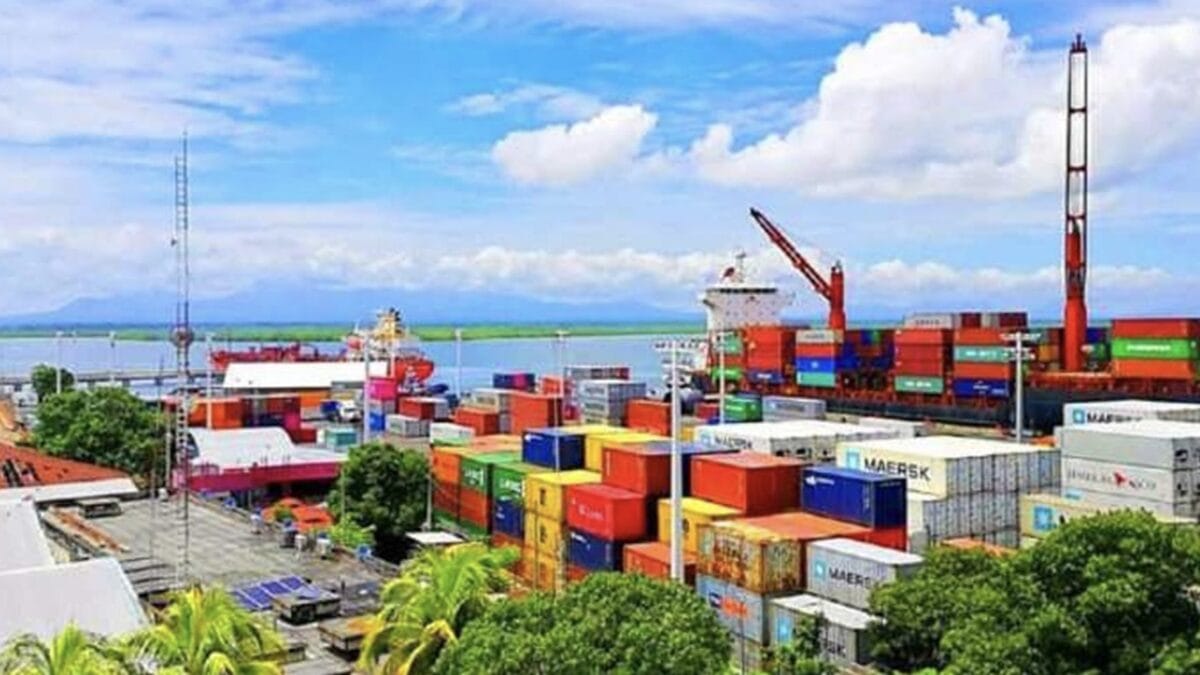
Nicaragua is one of the countries that has benefited most from the Free Trade Agreement between Central America, the Dominican Republic, and the United States, known as DR-CAFTA. In 2002, before the agreement came into force, Nicaragua exported $487 million to the United States. Since then, that figure has increased eightfold. Currently, the United States is the destination for 55% of the country’s total exports.
Thanks to the growth in trade, job creation has also been remarkable. Before the agreement was implemented, 54 companies operating under the preferential free trade zone regime employed 41,000 people.
During the years prior to the treaty’s approval, and especially after it came into force, there was a record number of companies registering in the free trade zone regime, which led to job creation. By 2007, one year after the treaty came into force, 121 companies were employing 84,000 workers.
The sector has continued to grow steadily to the present day, with some 170 companies offering around 120,000 direct jobs. It is estimated that each direct job generates three indirect jobs.
In addition, thanks to the dynamism injected by CAFTA, the Nicaraguan economy is more diversified. For example, sectors such as automotive harness assembly, which did not exist before, now account for a significant percentage of exports. Other sectors such as technology, agribusiness, food, finance, and tourism also experienced sustained growth as a result of CAFTA.

CAFTA demonstrated export potential
The treaty also helped establish better labor and environmental practices. Being subject to international laws and treaties, and to the scrutiny of international markets, investors must comply with the regulations established in the treaty. The systematic violations of freedom of association and union rights by the Ortega-Murillo regime therefore violate the spirit of the agreement.
Despite the regime’s harmful policies against the fundamental rights of Nicaraguans and foreigners, and the flagrant violations that undermine the business climate and affect investors, which have been widely documented in the annual reports of the U.S. Department of State and other government agencies, DR-CAFTA demonstrated Nicaragua’s enormous export potential.
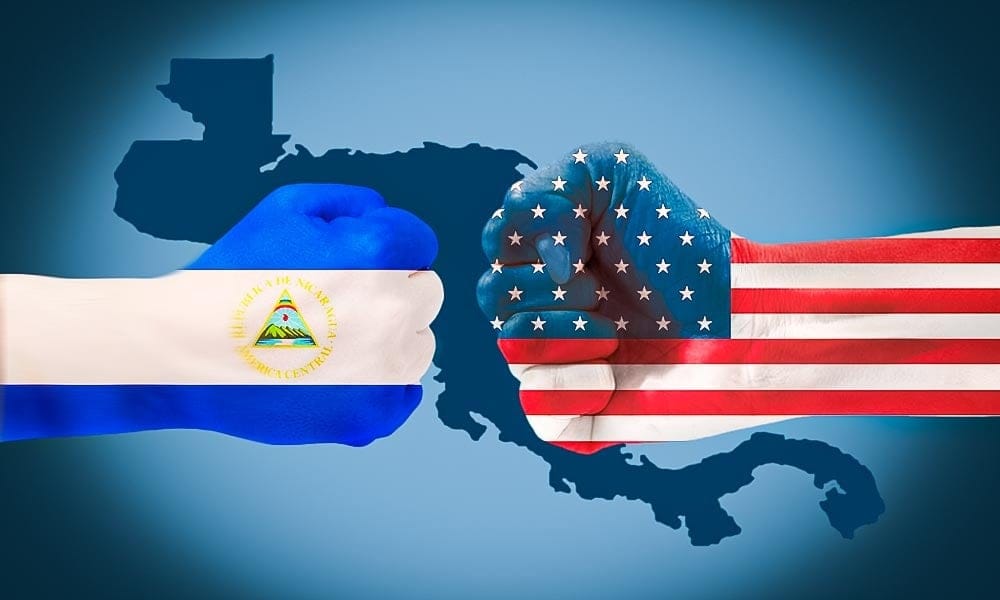
In addition to internal violations, the Ortega-Murillo regime’s hostile policy toward the United States is contributing to the treaty currently facing a high risk of suspension.
During the CAFTA debate, when Daniel Ortega led the opposition, he made many efforts to prevent its approval. This opposition was evident in 2005, when the deputies representing the Sandinistas in the National Assembly voted against the agreement’s approval.
Currently, the Ortega-Murillo dictatorship’s foreign policy of rapprochement with countries rivaling the United States, including China, Russia, Iran, and North Korea, has not gone unnoticed in U.S. political circles. More voices are questioning the justification for giving preferential treatment to a regime that has declared itself an enemy of the United States.
The Ortega Murillo regime can avoid CAFTA suspension
The recommendations presented by the Office of the US Trade Representative (USTR) are the result of the large number of violations demonstrated and exposed in the other article in this newsletter. These findings also give rise to the actions that the Ortega-Murillo dictatorship would have to take to prevent Nicaragua from having its CAFTA benefits suspended.
Unfortunately, the dictators’ lack of interest in the welfare of the people, their ambition to maintain power at all costs, and the Ortega-Murillo family’s position of economic comfort make it unlikely that the dictatorship will take any corrective action.
If so, the Ortega-Murillo dictatorship will be responsible for the suspension of the treaty’s benefits. They will also be responsible for failing to act to prevent the suspension of the agreement.
The Nicaraguan Democratic Concertation (CDN) expresses its deep concern about the consequences that the measures contemplated by the USTR will have on the Nicaraguan people, who have already suffered too much repression, harassment, exile, confiscation, and violation of their rights. In addition, if the measures are implemented, the Ortega-Murillo will cause further suffering to the Nicaraguan people through the unemployment and poverty that they will generate.
The 301 investigation and the context of crisis under the Ortega Murillo dictatorship
The findings of the investigation conducted by the Office of the U.S. Trade Representative (USTR), based on Section 301 of the Trade Act of 1974, indicate that the repressive actions, policies, and practices, including the Ortega-Murillo dictatorship’s abuses of human rights, labor rights, fundamental freedoms, and the dismantling of the rule of law, are unreasonable, impose a burden on, and restrict U.S. trade.
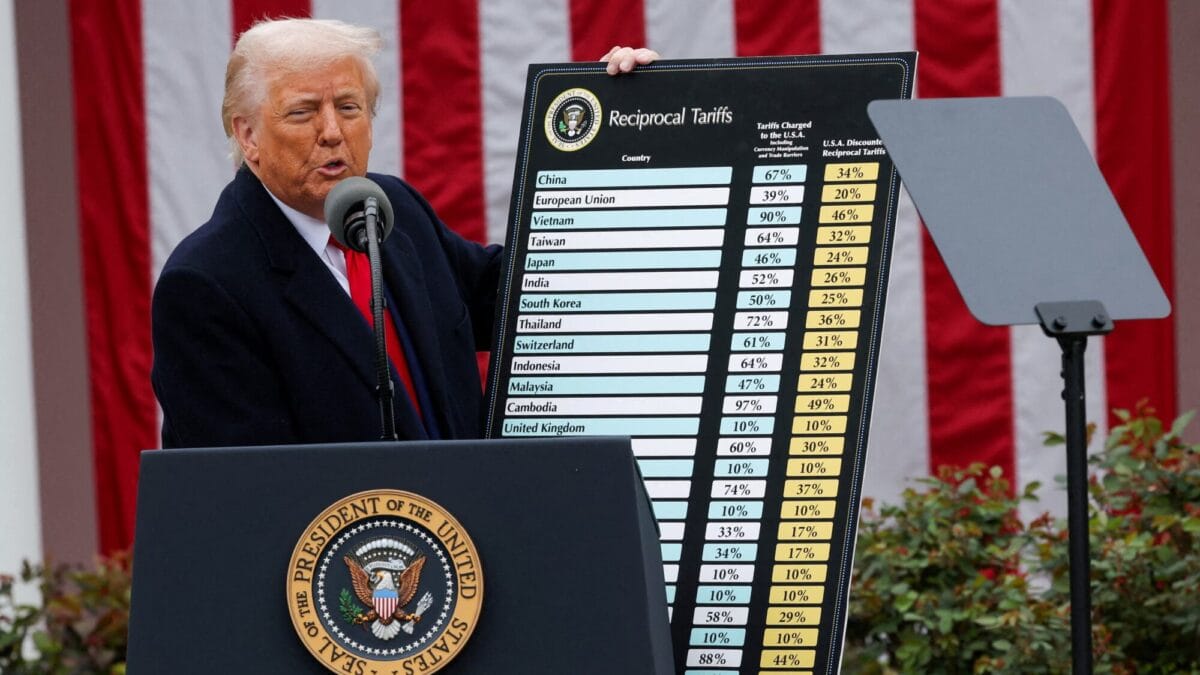
The measures proposed by the USTR to curb these abuses range from imposing a 100% tariff on all products exported by Nicaragua to the United States, to suspending the benefits granted to the country under the Central American and Dominican Republic Free Trade Agreement with the United States, known as DR-CAFTA.
The report on the results of the investigation highlights three major findings, based on which trade between the United States and Nicaragua is deemed unviable:
Key findings
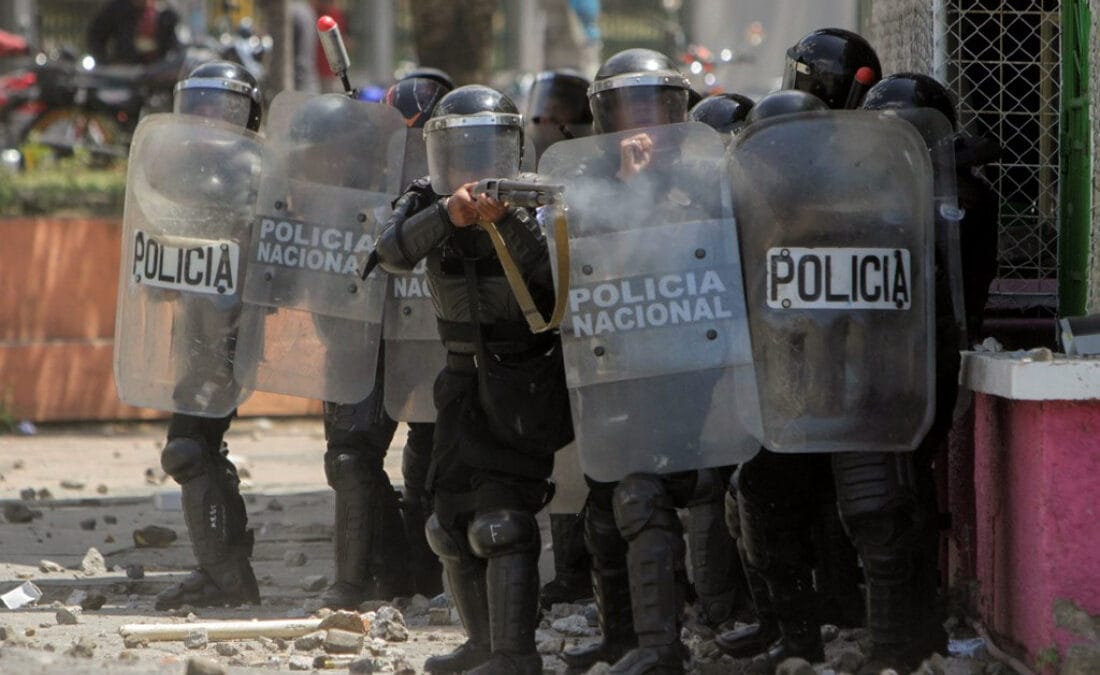
1. The dictatorship of Daniel Ortega and Rosario Murillo committed or allowed abuses of internationally recognized labor rights. These include repressing freedom of association and collective bargaining, interfering with workers’ and employers’ organizations, confiscating assets and stripping members of workers’ and employers’ organizations of their citizenship, arbitrary dismissals and arrests, child and forced labor, and human trafficking. There were also workplace abuses, including wage deductions and theft, and reprisals for complaining about rights violations.
These violations are exacerbated by the closure of more than 5,000 civil society organizations that provided various services, including the prevention of child and forced labor and support for victims. The most recent data show that 47 percent of Nicaraguan children between the ages of 10 and 14 work, performing dangerous jobs, including in gold mining, gravel and crushed stone production, and pumice extraction.
2. They committed abuses of human rights and fundamental freedoms, including against US persons and property. It repressed religious organizations through forced closure and confiscation of institutions and property, including, for example, in August 2023, the closure and confiscation of the Central American University (UCA), run by Jesuit priests, and in 2024, by arresting and prosecuting the leaders and expropriating the assets of Puerta de la Montaña, one of the American evangelical churches with a strong presence in Nicaragua.
3. They dismantled the rule of law. This included undermining the independence of the legislative and judicial branches, imposing fines, collecting non-existent back taxes, conducting customs inspections, and issuing arbitrary or incorrect rulings, revoking the legal status of business organizations and confiscating their assets without allowing them to defend themselves.
Report reflects reality
These conclusive findings in the USTR report reflect the political reality in Nicaragua: the rule of a totalitarian regime that abolished the human rights of citizens, including the inherent labor rights of workers, and removed any limits on power, whose cornerstone is the independence of the branches of government. This autocratic configuration shows that the rule of law, as the report points out, has been dismantled.
For the Nicaraguan Democratic Concertation (CDN), it is important to highlight the political context in which the USTR is issuing the results of its investigation and the measures it is proposing to curb abuses. In this context, in which the dictatorship is promoting a transfer of political power within the framework of dynastic succession, Murillo needs to ensure a certain degree of internal stability. To achieve this, they have approved constitutional reforms that guarantee them totalitarian control to ensure succession.
On the other hand, they unleashed a process of internal purges against old and prominent figures of the Sandinista party, including commanders of the revolution, historic guerrilla fighters, and public officials who are now imprisoned on criminal charges of treason and acts of corruption.
This implies that the possible imposition of the measures contemplated by the USTR would be implemented amid the regime’s inability to ensure, on the political level, succession and obtain any margin of legitimacy.
The CDN reiterates that, in the current context, the outcome of the investigation shows that the pressure measures are solely attributable to the Ortega Murillo dictatorship and are instruments to prevent authoritarian regimes from acting with total impunity and without any consequences for their actions.