
Daniel Ortega and Rosario Murillo have been systematically and widely violating the rights of the population for years, and various national and international organizations, such as the Inter-American Commission on Human Rights (IACHR) and the United Nations (UN) Group of Human Rights Experts on Nicaragua (GHREN), constantly document and denounce these abuses. However, the serious abuses committed against the indigenous and Afro-descendant populations of Nicaragua’s Caribbean coast have received less attention.
The Ortega-Murillo regime dismantled democratic institutions and the rule of law, and Nicaragua’s Caribbean coast was not spared from this destruction. Law 28, the Statute of Autonomy of the Caribbean Coast Regions of Nicaragua, was completely nullified. Citizen participation and forms of community government were replaced by officials appointed by the dictatorial couple.
Regional autonomy, based on the customs and traditions of indigenous and Afro-descendant peoples, no longer exists. Therefore, the right of these communities to self-government is being violated.
In addition, the mining concessions granted to Chinese companies, which already cover 5 percent of the national territory, along with the invasion of biological reserves by settlers and other violations, are occurring with the cooperation of State institutions that are supposed to preserve the region’s autonomy.
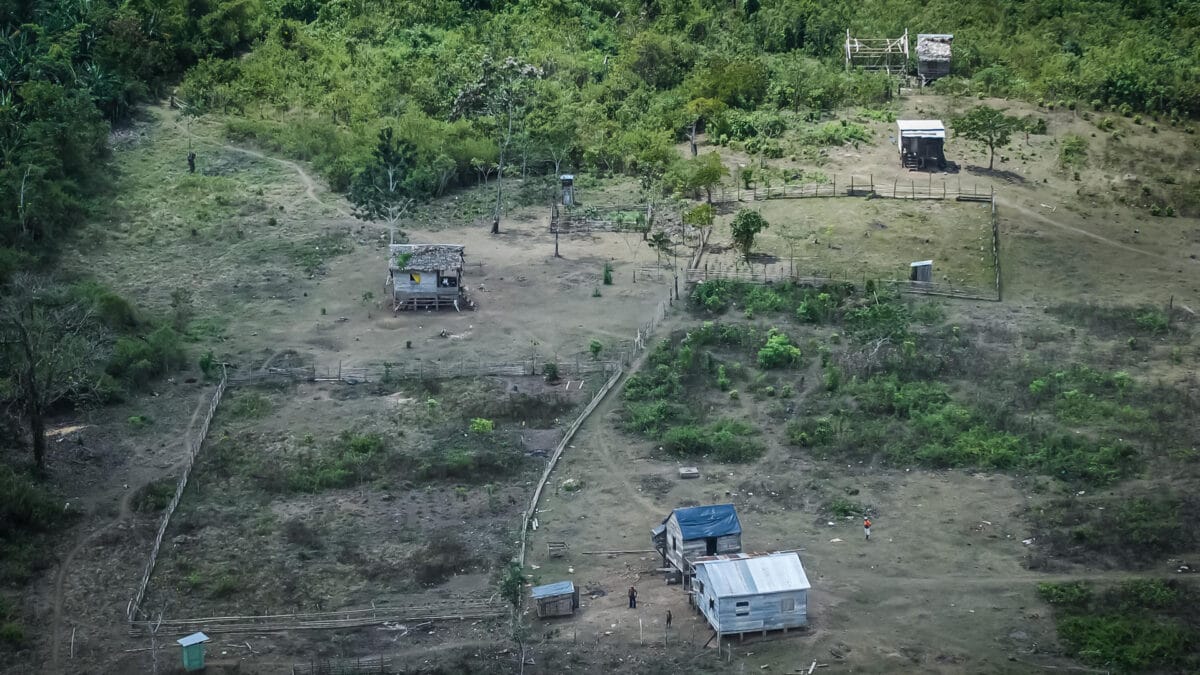
They turned their backs on indigenous peoples
These abuses put an end to decades of efforts to achieve autonomy, which required the State to invest huge amounts of resources in various activities, including the regularization of the ancestral property rights of indigenous and Afro-descendant communities.
All these advances disappeared due to the granting of concessions for the exploitation of natural resources and the growing invasion of settlers who, upon establishing themselves in the area, disregarded the right to communal property, which was in accordance with the way of life of the inhabitants of these communities, depriving them of their right to use the land and natural resources that are vital for their livelihood and development.
The Ortega-Murillo dictatorship eliminated the rights that the Constitution and local laws granted to indigenous and Afro-descendant peoples of the Caribbean Coast. Furthermore, it is in breach of its international commitments, having ratified Convention 169 of the International Labor Organization (ILO) in 2010 and recognized the United Nations Declaration on the Rights of Indigenous Peoples in 2008. These documents grant these communities the right to decide on their ways of life and the management of their resources, and oblige States to coordinate with them on joint actions that guarantee respect for their rights and integrity.
However, the Ortega-Murillo regime ignores these obligations and, through the imposition of its dictatorial model, prioritizes the satisfaction of its own interests, which are alien to those of these communities.

Restoring rights to indigenous communities
Through the centralization of power, the cult of personality they promote, and the absolute loyalty and submission they demand from their collaborators, they prevent the inhabitants of indigenous and Afro-descendant peoples from participating in the self-management of their communities. These and other practices also prevent them from preserving their ancestral culture and customs, which are an inalienable part of who they are.
The repressive model against indigenous peoples and Afro-descendants was personified in some of their leaders, who raised their voices against these injustices, including Congressmen Brooklyn Rivera and Nancy Enríquez, the former having been forcibly disappeared for more than two years, and the latter imprisoned since October 2023.
They also cracked down on more than a dozen forest rangers and community leaders, who have been imprisoned for several years simply for defending their communities from the depredations of invading settlers and land speculators.
For the Nicaraguan Democratic Concertation (CDN), it is imperative that, following the restoration of democracy in Nicaragua, the rights of indigenous and Afro-descendant peoples be restored and that the demands of these communities be addressed by autonomous regional governments working in coordination with the central government.
It is also imperative that the community property titles issued in past decades be restored and that all concessions to exploit natural resources that have not been subject to genuine consultation and popular approval be rescinded.
The CDN remains committed to defending the rights and freedom of arbitrarily detained leaders and is confident that the restoration of their rights will make the dream of a just, democratic, and multicultural Nicaragua a reality.
The excuses for purges
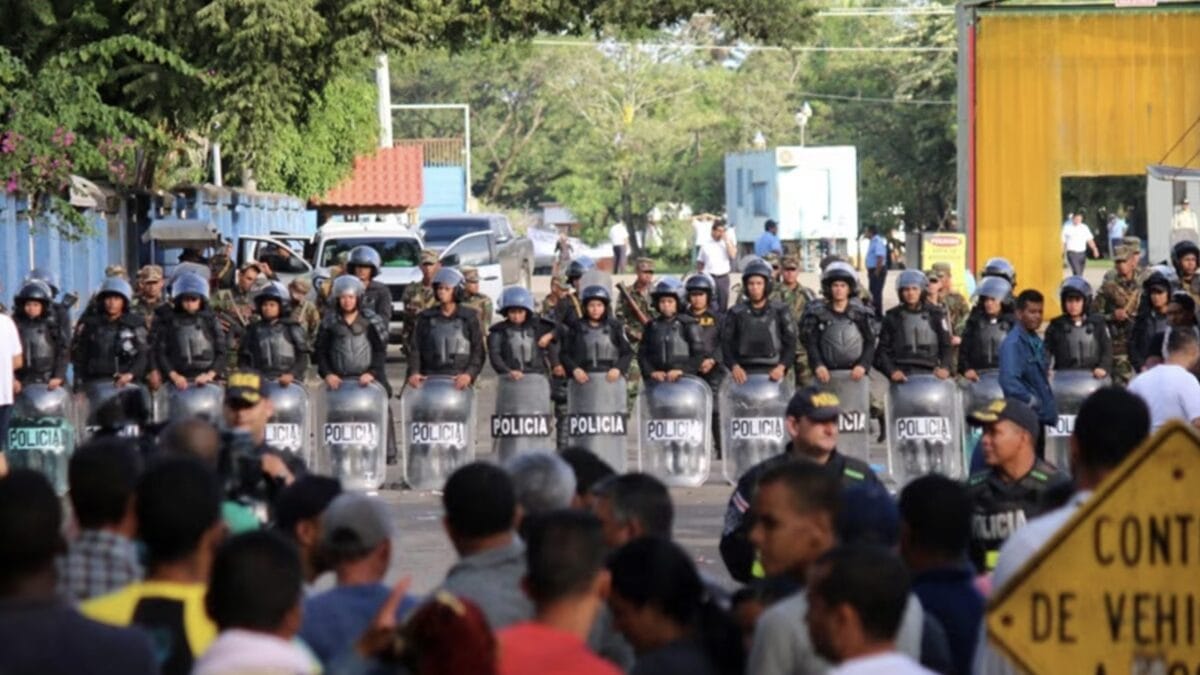
Purges are inherent to authoritarian regimes and occur mainly because of the dictators’ need to maintain and increase absolute control over the State and society. They take place amid the political insecurity caused by the knowledge that they were imposed, not elected by popular will. In most cases, this leads them to situations of genuine paranoia.
At the end of their lives, the succession of tyrants generates bloody purges among those who aspire to succeed them, and this is happening as the Ortega family promote a North Korea-style dynastic succession. The transition to succession, first in favor of Rosario Murillo and later one of her sons, required meticulous legislative preparation to accommodate the state and its institutions in favor of the dynasty, accompanied by the resulting purges to eliminate rivals, real or imagined.
The purges will increase as Ortega’s death approaches, and to ensure control by his heirs, they will intensify when the transition takes place. They will be carried out by combining propaganda with acts of submission, imposing terror, conducting rigged trials, and physically or politically eliminating potential adversaries, and even apathetic militants who will be used as victims in exemplary trials.
Although they may seem irrational, the purges promoted by Rosario Murillo pursue a specific political function: to consolidate her power and that of her children, to impose fear, and to eliminate all possible dissent or resistance to ensure blind obedience.

Purges against the corrupt
The “All Against Corruption” campaign and Ortega’s mandate to identify traitors completed the framework for accelerating and justifying the purges, despite the absence of any willingness to impose transparency and honesty in the management of public affairs, and regardless of the fact that the country is not facing an international armed conflict that would allow for the application of Article 409 of the Penal Code, which refers to treason against the homeland.
Nicaragua is dominated by a model of institutionalized and hierarchical corruption, which keeps the country at the bottom of the Corruption Perceptions Index (CPI). Therefore, the justification for the purges falls on deaf ears and shows that their sole purpose is to punish corrupt individuals who no longer enjoy the official blessing of the tyrants because they have become dissidents or suspects.
The corruption of those purged, previously tolerated or encouraged, became what is known as “unauthorized corruption,” which the Ortega’s see as a challenge to their centralized power and their exclusive right to appropriate State assets and share them with whomever they choose.
The purges are part of the vision of the State and the role that dictators such as Ortega and Murillo assign themselves, considering themselves sovereign, the sole representatives of the homeland and interpreters of national interests and, consequently, with the right to dispose of lives and property and privatize the General Budget of the Republic to reward loyalty to them.
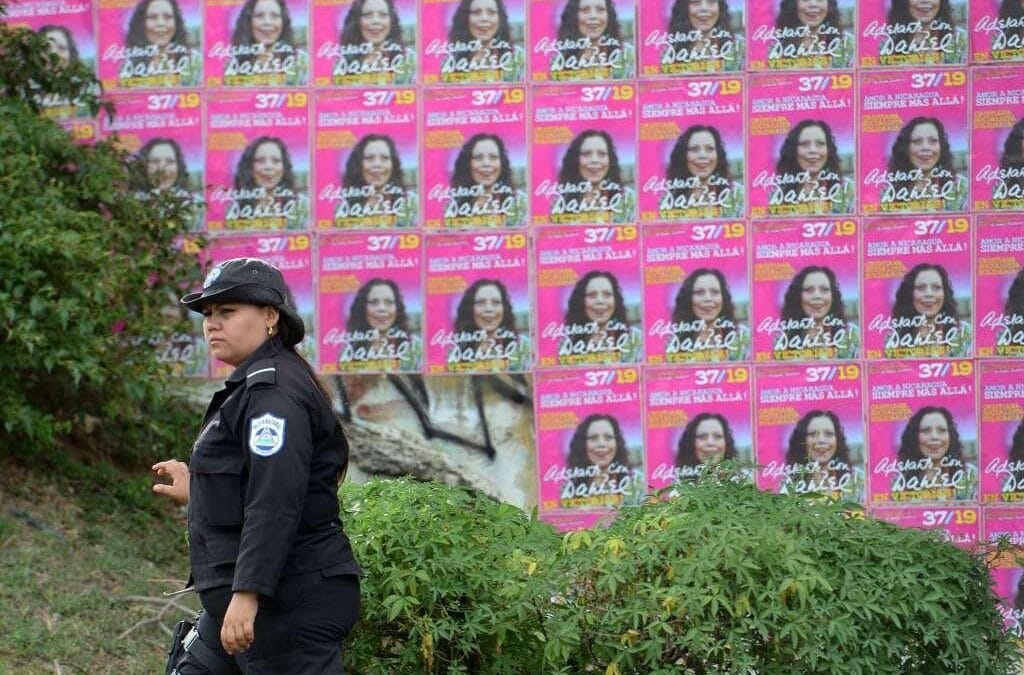
Treason against the homeland, or against them?
The Ortega-Murillo family conflate themselves with the representation of the homeland, and the cult of personality they promote leads them to consider themselves as the very expression of the nation. For this reason, they delegate to themselves the right to punish antagonism, dissent, contempt, lack of loyalty, and absolute submission, labeling them as treason against the homeland.
The acts for which they criminally persecute opponents and purged individuals are not subsumed under the crime of treason established in Article 409 of the Criminal Code, since they pursue atypical behaviors that only offend the dictators’ purpose of remaining in power indefinitely, imposing social control through terror.
It is contradictory to punish those purged for corrupt practices, while the General Comptroller’s Office promotes impunity for authorized corruption, stating in most of its rulings that there are no grounds for establishing any type of responsibility, even though it acknowledges inappropriate practices. This confirms that the false campaign only seeks to purge former collaborators, allies, and figureheads who lost the dictators’ affection.
For the Nicaraguan Democratic Concertation (CDN), the absence of the rule of law and due process guarantees that affected thousands of innocent opponents has backfired on supporters of the dictatorship, who are now being punished, not for the corruption and crimes against humanity they committed under the direction of their current executioners, but because they are being used as an example to impose terror and ensure the continuity of the dynasty.