
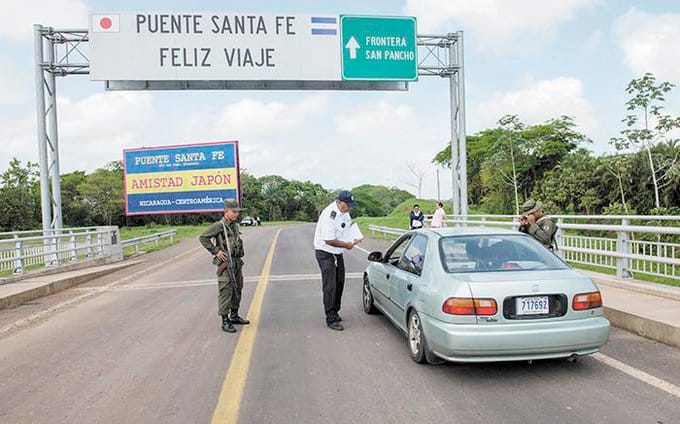
The Ortega Murillo dictatorship recently passed Law 1258, the Border Territory Law, under the false pretext of security and defense of sovereignty. But the reality is that surveillance and protection, through police action and defense mechanisms, have no legal restrictions within the nation’s territory, because the Army and the Police can perfectly fulfill their constitutional obligations, regardless of the property regime in the affected area.
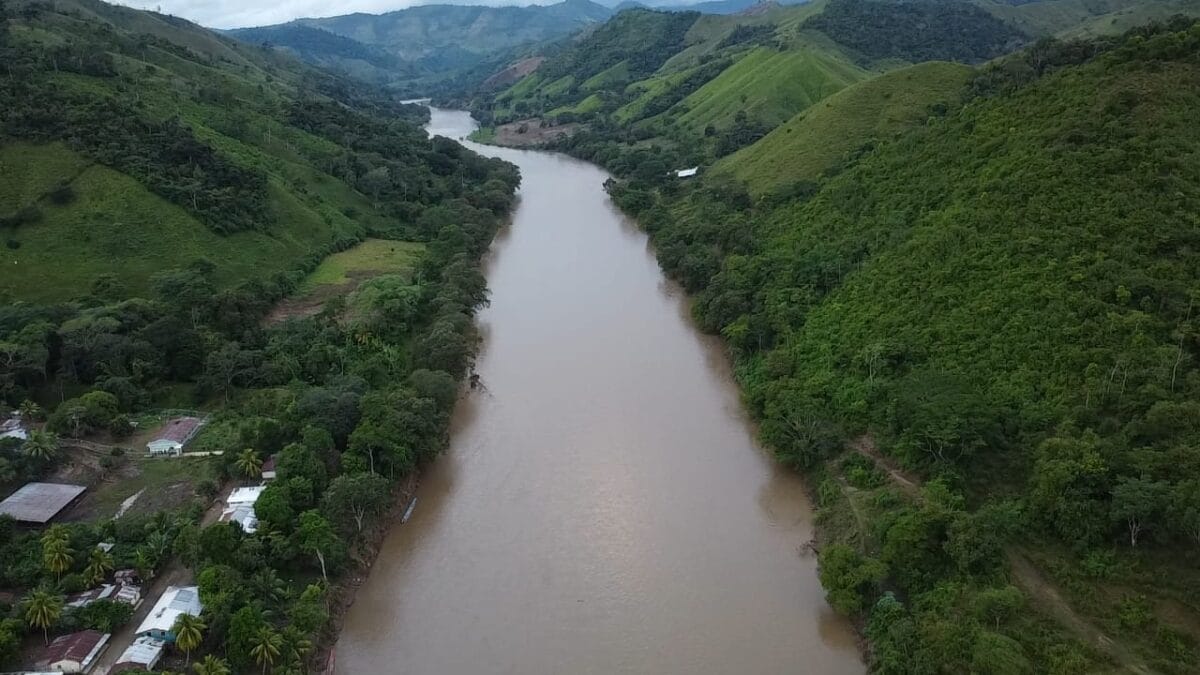
Law 1258 nationalizes some 18,735 square kilometers of national territory, an area determined by multiplying the length of the northern and southern borders by the fifteen kilometers contemplated in the new law, which considers that area to be state property, without providing compensation for improvements, crops, and other investments made by their legitimate owners over many years.
The new provision implies the confiscation of private, communal, and cooperative property in 14.15 % of the national territory. In addition, it strengthens the state property model that has been advancing since 2007, when Daniel Ortega returned to power, and now through laws and procedures different from those applied during his first term in the 1980s, but which fulfill the same objective: to reduce private property and increase state property in order to favor control and corruption.
Through laws such as Law 690, the Coastal Zone Development Law, Law 620, the General National Water Law and Law 217, the General Environment and Natural Resources Law, the Ortega-Murillo administration has been reducing the area of national territory that can be privately or communally owned, thereby affecting the rights of domestic and foreign investors. and, together with other laws, drastically reducing the area susceptible to private or communal ownership.
To the detriment of the private sector
All this was done with the aim of progressively building a State-owned property regime, without paying the political costs that led to individual and mass confiscations after the 1979 revolution.
This model of state ownership undermines the leading role of the private sector, the property rights of indigenous peoples, and legal certainty. Furthermore, it undermines national and international private investment, violates acquired rights, affects entire populations, important productive activities, and the traditions and ways of life of numerous indigenous populations.
The failure to recognize communal property rights implies the forced expropriation of indigenous lands belonging to the Miskito, Mayangna, and other ethnic groups settled along the Coco and San Juan rivers. This continues to fuel the forced displacement of more than 15,000 indigenous people, who have so far fled mainly to Costa Rica. They flee to Costa Rica to escape the violence of settlers who steal their land, harassment by army officers, and the consequences of forestry and mining concessions being granted to Chinese companies.
For some analysts, the new law adds to the Ortega-Murillo dictatorship’s sellout of the country to Chinese imperialism, which is being given enormous space to establish enclaves for the exploitation of natural resources, as the law removes any obstacles that might arise from the affected landowners.
New abuse by the dictatorship
However, Article 161 of the recently approved Constitution establishes the creation of special development regimes, which suggests that this law is not necessary to favor Chinese interests.
Therefore, considering the background, it could be deduced that the imposed property regime is part of a pilot project that, based on experience, could be extended to the rest of the nation, where the State-property model would ultimately be applied.
Although this model would allow former owners to use their properties through mere tolerance or concessions, it would make it easier for the Ortega-Murillo dictatorship to seize them at any time, if it suits its interests, or to deprive them of their use if they do not submit to the dictatorship’s policies.
The Nicaraguan Democratic Concertation (CDN) rejects this new outrage by the Ortega-Murillo dictatorship, which, by passing Law 1258, is committing a new abuse that will affect the lives of thousands of Nicaraguans, especially indigenous populations.
Furthermore, it expresses its support for all expressions of civic resistance by those affected and its commitment that a future democratic government will revoke this and all repressive and restrictive laws implemented by the Ortega Murillo regime and will determine the corresponding responsibility of those who benefited from them to the detriment of the rights of Nicaraguans.
The other side of the tariff
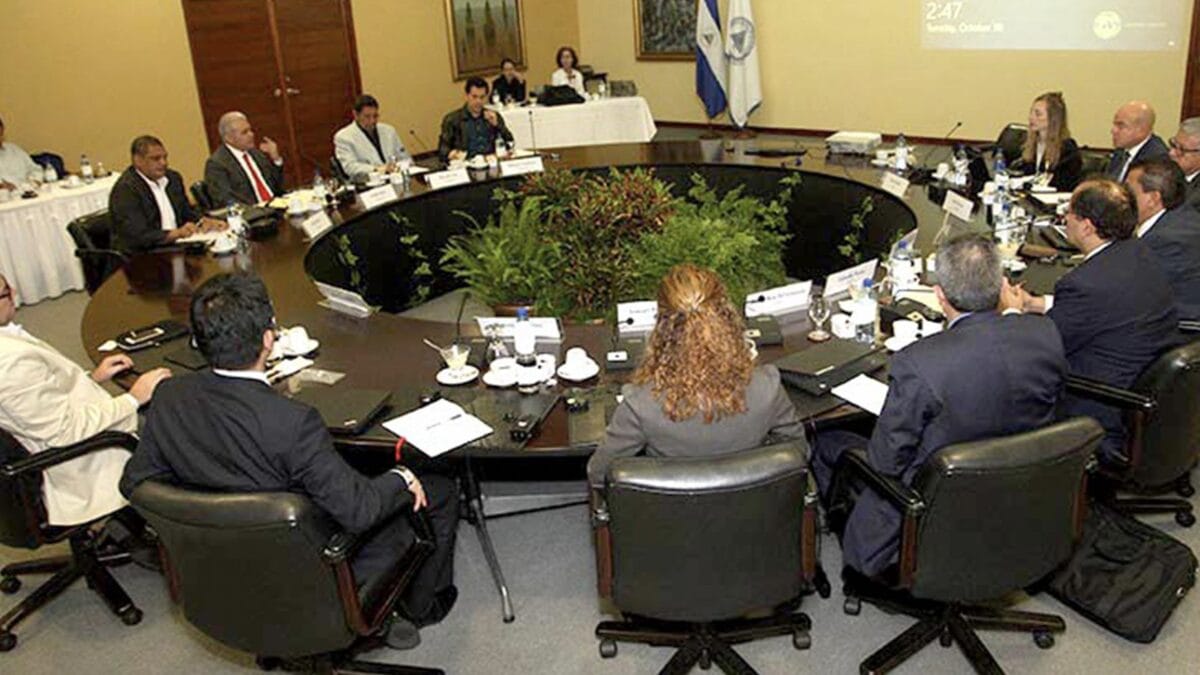
In the world of the old and reactionary left, the Ortega-Murillo dictatorship presents itself as an administration that guarantees prosperity and security for its citizens. Its officials attend the main events organized by dictatorships around the world, countries with which they share their lack of democratic commitment, and in the non-aligned countries, they try to tell an alternative version of history, portraying a “sovereign,” prosperous, and secure country.
The dictatorship sells itself in the Western world that it hates so much but needs, by purchasing space in major specialized magazines, and attends tourism fairs in democratic countries that it often attacks. It pays to hold continental sporting events in Nicaragua, where it promotes cuisine and circuses, and hires artists to give concerts regardless of the country’s crisis. This is part of a strategy to improve its image, tarnished by the crimes committed and the destruction of democracy.
Similarly, although it has left most United Nations agencies, it remains part of the system and has not yet left spaces where it can obtain benefits, even if only propaganda.
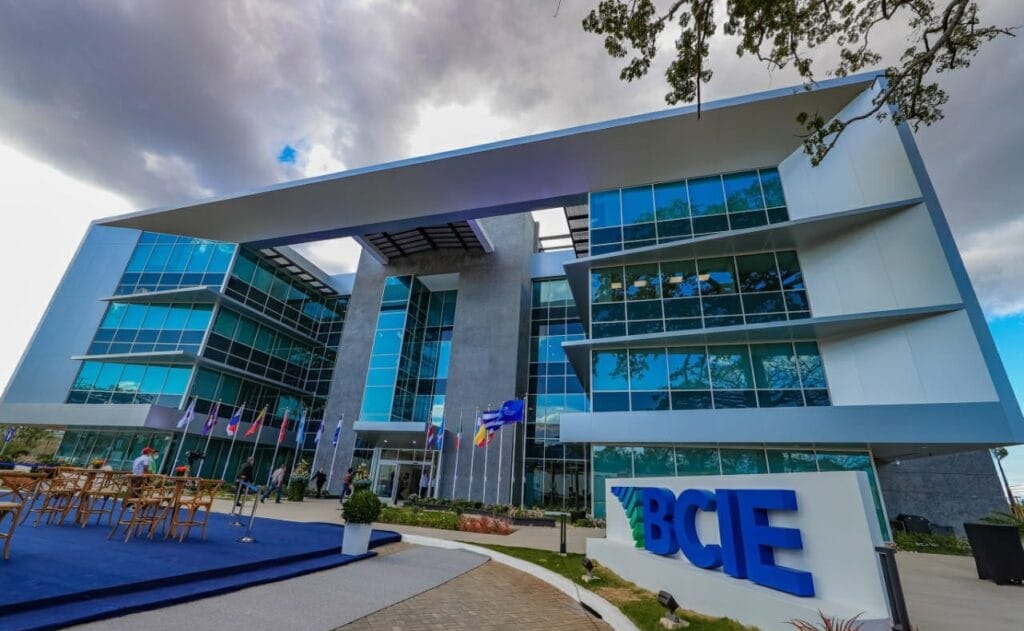
An important role in this strategy is played by its relationship with the International Monetary Fund (IMF), credit rating agencies, and the Central American Bank for Economic Integration (CABEI).
The IMF takes advantage of the relationship it has developed with the team that works with Nicaragua, which ignores the destruction of the rule of law and human rights violations. It also accepts the statistics presented to it, regardless of the fact that independent economists argue that these figures are inaccurate. As this is one of the most profitable relationships they have, the IMF team is given a privileged position.
The CDN expects changes
The Nicaraguan Democratic Concertation (CDN) hopes that now that the IMF is looking for a new legal advisor for its Governance and Anti-Corruption Division, a body that focuses on corruption, anti-corruption, and the rule of law, the relationship with Nicaragua will change, and that these efforts will not remain merely on paper.
Something similar occurs with credit rating agencies due to the favorable media impact they represent. Therefore, it would not be surprising if the Central Bank of Nicaragua (BCN) had service contracts with them to ensure the country’s credit rating.
Another very particular case is that of the CABEI, one of the last links remaining with the International Financial Institutions (IFIs) that, until 2018, guaranteed the country’s economic growth.
In fact, the importance of the CABEI is one of the reasons that explains the passivity of the Ortega Murillo administration in the Central American Integration System (SICA), where it has suffered setback after setback in its attempt to impose a secretary general, a right that corresponds to it under the rotation mechanism enjoyed by its members, who also enjoy the privilege of belonging to the bank.
Otherwise, they would surely have already left SICA, as they did with other organizations where they did not get what they wanted, but they continue to receive financing from CABEI, which is becoming increasingly scarce and expensive.
The 18 % tariff
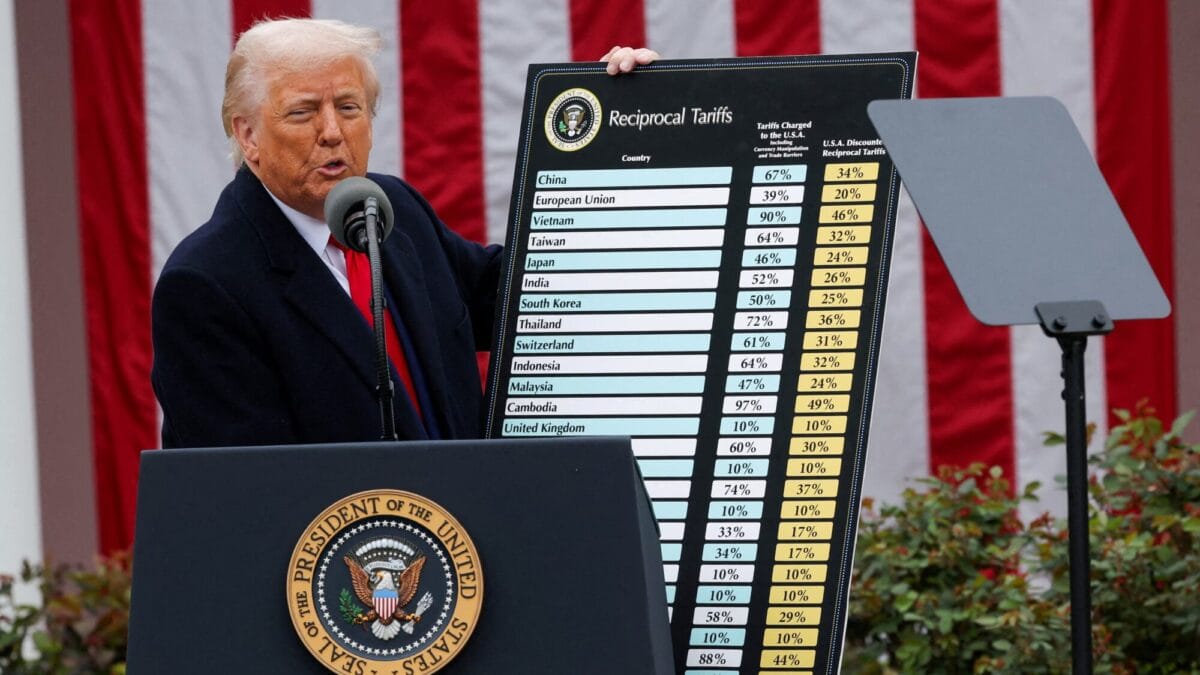
All this shows that the Ortega-Murillo spare no effort to sell an alternate reality in spaces where they can still do so. However, the recent entry into force of the 18% tariff on Nicaraguan exports to the United States shows us the other side of the coin.
Much has been written about the implications of this measure in relation to the possible closure of companies, loss of jobs, deterioration of competitiveness, and other issues. However, one fact that leaves no doubt is that the dictatorship had no chance of influencing this decision. The relationship they once had with the US government, which allowed them to benefit politically and economically, no longer exists.
This, coupled with other recent decisions, notably the return of confiscations from nationals and foreigners, and the change in the rules of the game for companies and investments, which eliminated all legal certainty, only increases the threats and risks to that relationship.
All of this now leaves the Nicaraguan economy in a situation similar to that faced during cyclones, that is, exposed to a phenomenon it cannot control, and all it can do is hope that the storm does not turn into a hurricane.
The relationship is similar with the democratic countries of the region, the European Union, SICA, IFIs, human rights organizations, and the United Nations system, which shows that despite the efforts of the Ortega Murillo dictatorship to clean up its dirty image, these efforts are useless in the areas where they are most needed.