
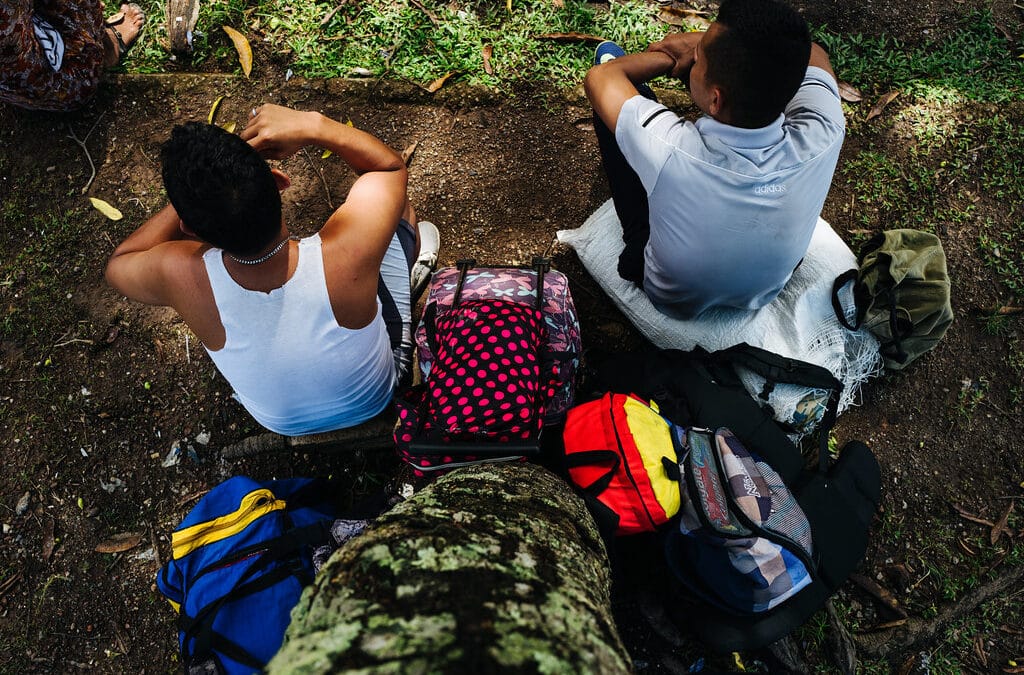
On June 7, the Secretary of the Department of Homeland Security (DHS) Kristi Noem, announced the termination of Temporary Protected Status (TPS) for Nicaraguans and Hondurans protected by this program since 1999.
It is worth making a parenthesis to note that, since its implementation five administrations maintained it: three Democrats and two Republicans, that of George W. Bush and the first term of Donald Trump, when the socio-political crisis affecting Nicaragua since 2018 began.
The end of this program was not surprising because since the election campaign, Trump made it clear that one of his foreign policy priorities would be to increase deportations and reduce migration.
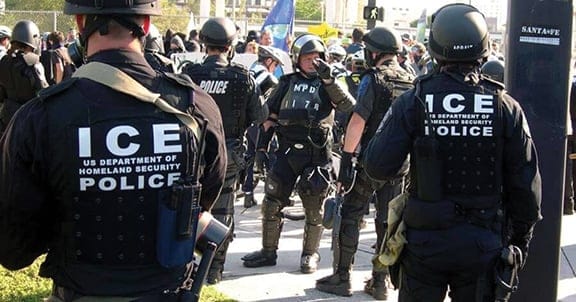
In fact, prior to this decision, other actions were implemented to reach these objectives, including suspending the humanitarian parole program, massive raids and deportations, imposing a tax on remittances, and reducing the entry of migrants across the border. What is surprising, however, is DHS’s justification for not renewing TPS.
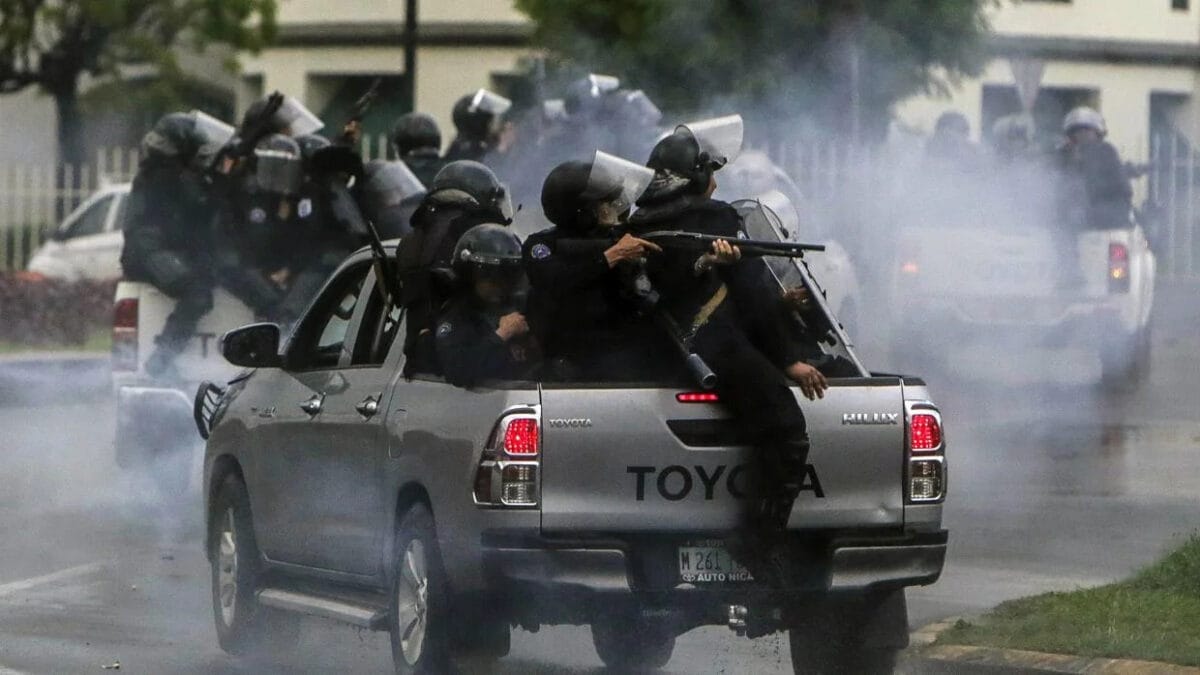
As a press release issued by the Nicaraguan Democratic Concertation (CDN) points out, Noem describes Nicaragua’s conditions as “stable” and with a “good standard of living” to justify the cancellation of the program, ignoring or wanting to overlook the growing state and transnational repression, human rights violations and crimes against humanity committed by the Ortega Murillo dictatorship, one of the worst in Latin American history, which have been documented by multiple international organizations and countries, including the United States.
Dictatorship is an enemy of humanity
That country that according to the DHS has made significant progress after recovering from the hurricane disaster, and where tourism, ecotourism, agriculture and renewable energy are now growing, is the same country that Marco Rubio in his first trip as Secretary of State described as an enemy.
In statements made in San José, Costa Rica, Rubio said: “In my opinion those three regimes that exist in Nicaragua, Venezuela and Cuba are enemies of humanity and have created a migratory crisis in the hemisphere. They have created it because they are countries where their system does not work”.
It is striking that in its justification the DHS uses the State Department’s 2024 Investment Climate report, which in part states that Nicaragua continues to show stable macroeconomic fundamentals, including a record $5 billion in international reserves, a sustainable debt burden and a well-capitalized banking sector.
But he ignores the part that warns that “investors should be extremely cautious”, because “Daniel Ortega and Rosario Murillo, continue to suspend civil rights guaranteed by the Constitution, detaining political prisoners, confiscating private property and violating the rule of law, which creates an unpredictable investment climate, plagued by reputational risks and arbitrary regulation”.
Furthermore, in April, in the framework of the seventh anniversary of the beginning of the socio-political crisis, Secretary Rubio through his social networks expressed: “as I said during my first visit to our region, the Nicaraguan regime is an enemy of humanity. The Trump administration will not tolerate threats to U.S. security from a regime that instrumentalizes immigration and positions Nicaragua as a hub for illegal immigrants attempting to cross our border.”
Strengthened alliances
In fact, they continue to use migration as a political weapon against U.S. security. They maintain their free visa policy that they implemented since 2022 for all countries that are enemies of the United States and continue to expand that benefit.
They also strengthened a strategic alliance with China and Russia that includes security issues for the United States in the military and technological fields and promote in Central America a greater presence of both nations in the political and economic fields.
Likewise, Nicaragua continues to share the position against the United States and its enemy dictatorships, including China, Russia, North Korea, Iran, Belarus, Venezuela and Cuba, among others.
Finally, the Nicaraguan dictatorship continues to be a major player in drug trafficking, which, like human trafficking, has an ideological component to weaken the United States by exacerbating existing crises. The Nicaragua that the DHS describes as a world tourist destination is the same country that the State Department recently asked its citizens to reconsider traveling to.
For all of these reasons, we at CDN urge DHS and the State Department to review the assessment of Nicaragua and, to the extent possible, as requested by Congressman Mario Diaz-Balart, the Trump administration to reconsider its decision to end TPS for Nicaraguans, as there are no safe conditions for them to return to their country.
Democracy: on the waiting list at the OAS
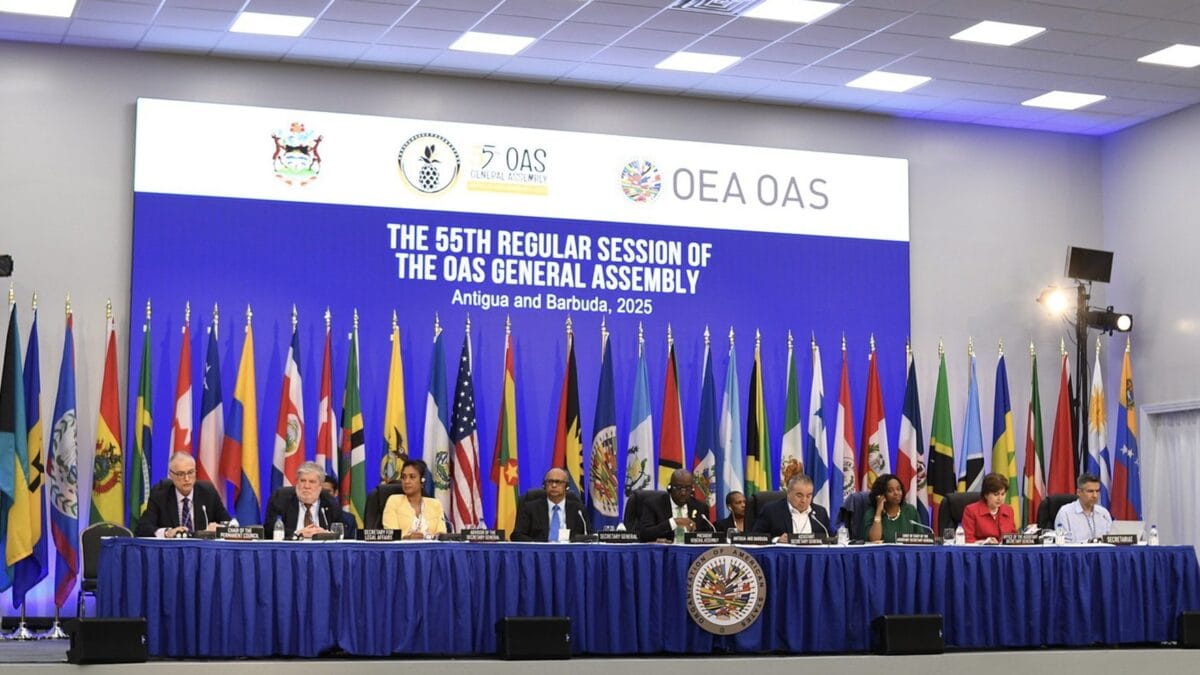
With each change of Secretary General at the Organization of American States (OAS), there is a transition process in the hope that the new official will be able to define and work on a new agenda, prioritizing the issues on the agenda. According to diplomats with long experience in the organization, the first General Assembly under a new secretary is not characterized by incorporating controversial issues or dragging previously debated matters.
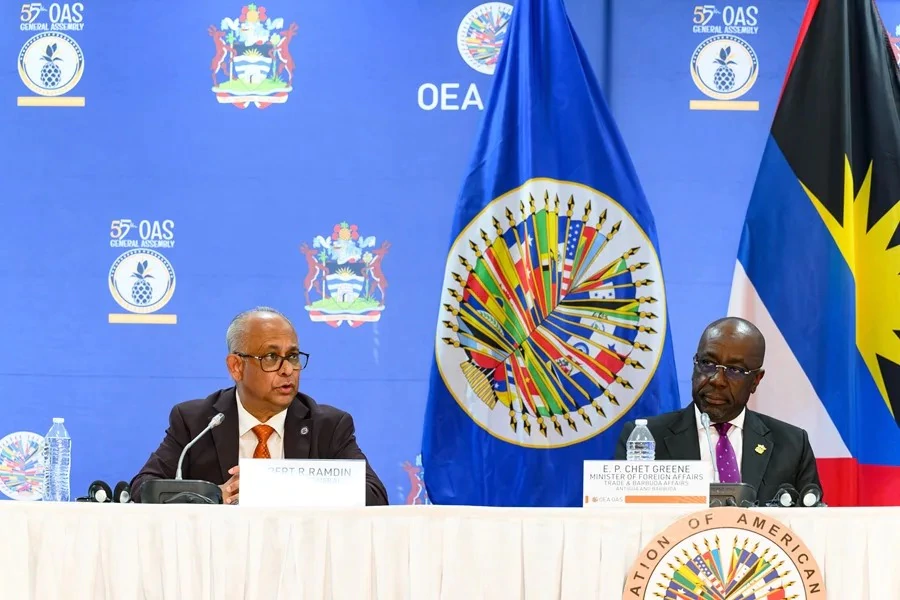
The agenda of the 55th General Assembly, held recently in Antigua and Barbuda, predictably did not include the lack of democracy in Nicaragua, Venezuela and Cuba. The particularities of the succession of the Secretary General operate in a context of weakening multilateralism, in which international organizations are losing effectiveness in the face of totalitarian regimes.
The United Nations (UN) as well as the OAS appear inefficient and ineffective in stopping violations of international law and the outrages of dictatorships against democratic commitments and human rights, and are incapable of remedying the impunity of this type of regimes.
The weakness of multilateralism has set aside the norms of international law and rendered obsolete the system built by the international community since the end of World War II.
In the Americas and the world, the democratic consensus is shrinking, and some analysts consider that the 21st century is the century of authoritarianism. State sovereignty, not democracy and human rights, is the guiding principle of international relations, and our region is no exception.
Manipulated concept of sovereignty
A manipulated concept of sovereignty is used as a shield to justify the most serious aggressions against the people, who are its legitimate possessors, to deny them the rights conquered throughout history. Tyrants who were not elected by popular vote, appropriate sovereignty to turn citizens into modern slaves.
It is not possible that, under the false argument of respect for the principle of free self-determination, independence and sovereignty of the citizens of countries such as Nicaragua, Venezuela and Cuba, who do not enjoy the right to express themselves, let alone to define their future, multilateral organizations allow dictators who deny the exercise of popular sovereignty to commit serious crimes against their citizens.
The OAS, unlike the UN, establishes in the Democratic Charter the collective commitment to promote and defend “the right of the peoples of the Americas to democracy”, which is above the right of governments.
This is a recognition of popular sovereignty, which gives the population the character of subject of international law when democracy is taken away from them. The positive evolution began by allowing individual complaints before specialized human rights organizations, and now the Democratic Charter allows the population, through civil society organizations, to defend its right to democracy before the political bodies of the OAS.
The OAS has responsibilities
Nicaraguans are clear that regime change is not a proper function of the OAS, as it lacks the mechanisms to achieve it. But both the organization and its Secretary General are committed to contribute to the constant delegitimization of dictatorships.
This is a responsibility they cannot ignore. Under the provisions of the Democratic Charter, they are obliged to accompany the peoples who suffer violations of their most basic rights in the restoration of democracy. They must do so even through the application of coercive measures, overcoming the false paradigm that sanctions harm the people, when the worst sanction they face is to be subjected to a cruel dictatorship that, to prolong their suffering, takes advantage of the ineffectiveness of international organizations.
The Nicaraguan Democratic Concertation (CDN) recognizes the work of the small delegation of Nicaraguan civil society organizations present at the General Assembly held in Saint John, which reminded the delegations of their obligation in the face of the grave situation that Nicaraguans are living, and obtained the commitment to reactivate the Voluntary Group, created by the Permanent Council to promote initiatives in favor of the Nicaraguan people.
In addition, it calls on the OAS member states participating in the Voluntary Group to support mechanisms to bring the Ortega Murillo regime to international justice, and on Secretary General Albert Ramdin to exercise his leadership as the principal official of an organization committed to democracy and human rights, once the transition is over.