
The first Association Council between the European Union (EU) and Central America, held in Brussels on July 14, 2025, was presented as a historic milestone in bi-regional relations. However, its ceremonial tone hides a less encouraging reality: the meeting did not represent a substantive advance, but rather the belated fulfillment of a formality made possible by the entry into full force, in May 2024, of the Association Agreement (AA) that has been partially applied for twelve years.
The AA was signed in 2012 and since then only the Trade Pillar has been applied. Its full validity until 2024, with the entry into force of the Political Dialogue and Cooperation Pillars, is evidence of a prolonged political inertia in Central America and in certain EU member states.
This first meeting at the ministerial level was a technical process that did not generate binding legal instruments or normative innovations.
The statement produced at the meeting abounds in general affirmations: shared values, cooperation, integration. But it lacks specific commitments, implementation mechanisms or concrete timetables. Expressions such as “shaping the way forward” and “enhanced dialogue” are diplomatically convenient, but substantially empty.
It makes no allusion to the need for a differentiated approach for the six Central American countries, despite their contrasting institutional profiles.Nicaragua’s representation, headed by the Vice Minister of Development, Industry and Trade instead of the Foreign Minister, reflects a lack of political will or unresolved tensions over the democratic values demanded by the EU.
Without any accountability
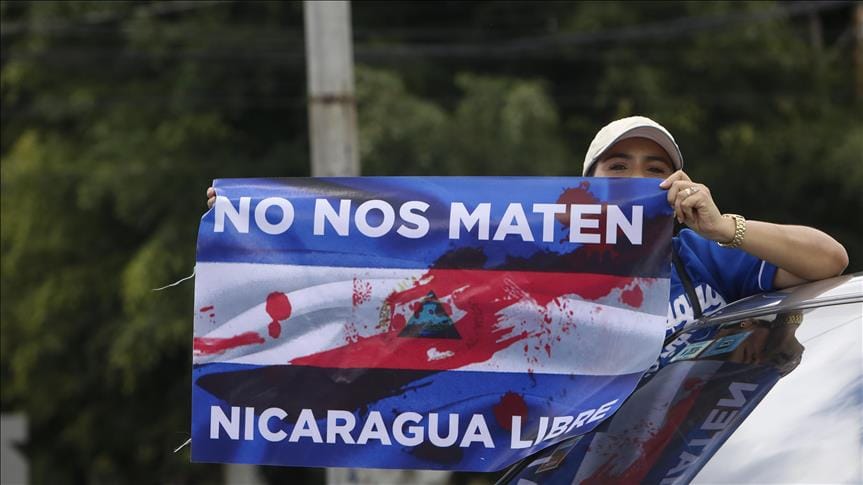
Furthermore, it mentions principles such as human rights and the rule of law in a general way, without establishing monitoring tools, specific demands or the participation of civil society. It also does not address the region’s democratic regression, nor does it link funds or cooperation to verifiable political conditions.
It mentions “conflicts and crises” without clear positions on the axes of global tension such as Ukraine, Taiwan and authoritarianisms in Latin America, among others.
Commitments to multilateralism and sovereignty are unconvincing without confronting real divergences between European policies and Central American realities.
It invokes the Global Gateway Investment Agenda, but does not announce new funds, nor does it detail public-private partnerships or impact indicators.
The regional electricity market appears to be a key project, but with no mention of the technical, financial and political obstacles that keep it blocked.
Therefore, rather than a turning point, this meeting seems to be an exercise in diplomatic choreography to make up for years of immobility. It consolidates visibility, but not speed. Unless binding mechanisms, differentiated goals and verifiable commitments are generated, the Council runs the risk of becoming an echo of formalisms without real effect.
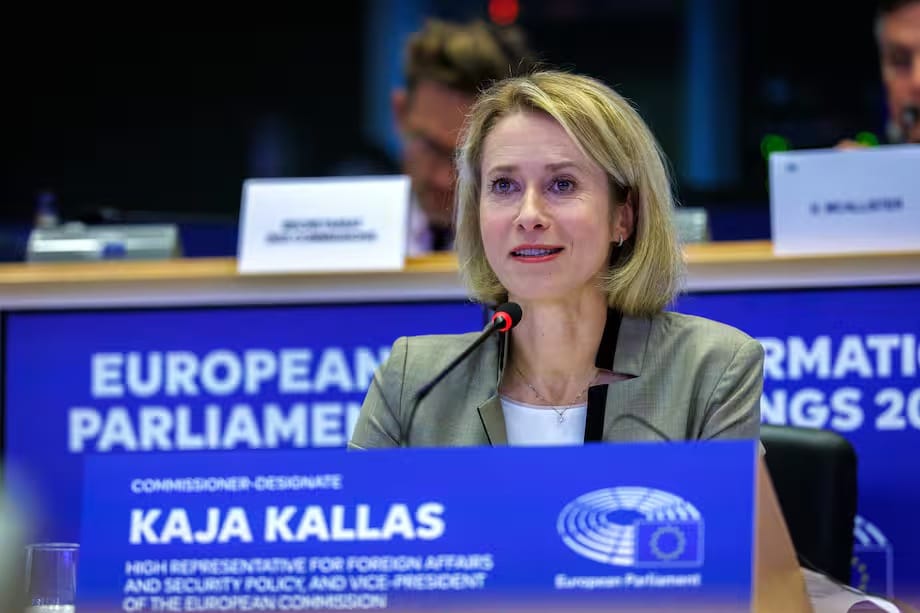
Now that the entire AA is in force and regarding that first Association Council, the Nicaraguan Democratic Concertation (CDN) sent a letter to the EU High Representative for Foreign Affairs and Security Policy, Kaja Kallas, asking her to invoke the binding requirements of the Political Dialogue Pillar to establish cooperation mechanisms under the AA.
The democratic clause
It should be noted that Article 1 of the AA establishes as an essential element the Democratic Clause which states: “respect for democratic principles, the fundamental rights enshrined in the Universal Declaration of Human Rights and the rule of law constitute an essential element of this agreement. Failure by one of the parties to comply with these obligations would allow the other party to take appropriate measures, including the total or partial suspension of the agreement”.
This means that this clause establishes as a sine qua non condition, the respect for human rights, democracy and the rule of law, which as expressed by the CDN in the letter, are flagrantly violated by the Ortega Murillo dictatorship, including crimes against humanity. This has been documented by the UN Human Rights Committee and the Group of Human Rights Experts on Nicaragua (GHREN).
The call made by the CDN to Ms. Kallas, based on the provisions of the Agreement and the historical actions of the EU, should “establish a set of benchmarks such as the release of political prisoners, the restoration of judicial independence and unrestricted access for international electoral observers”, which must be met before continuing negotiations on the allocation of funds or the extension of trade preferences.
The same call will be made to the twelve MEPs who will visit Costa Rica from July 21-23 to promote the Political Dialogue with Central America.
The CDN trusts that beyond the rhetoric, the High Representative, the EU governments and the MEPs will maintain their firm commitment to defend democracy, the rule of law and human rights in Nicaragua and the rest of the Central American region.
Ready for anything: the transnational repression of the Ortega Murillo dictatorship
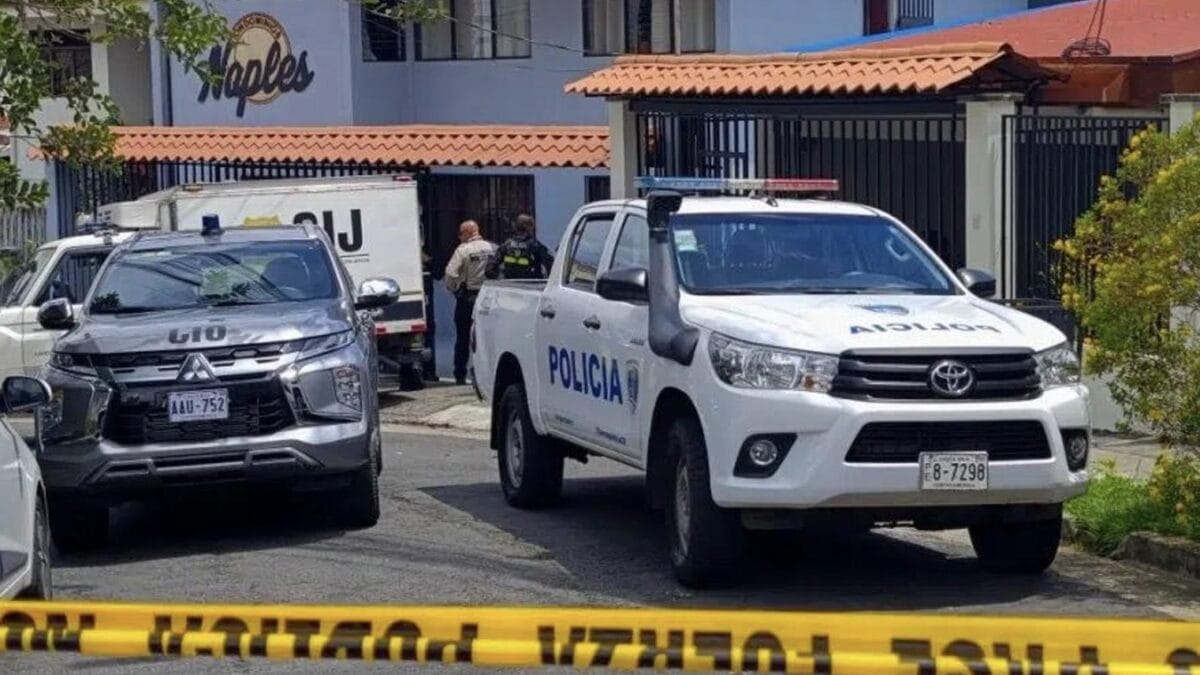
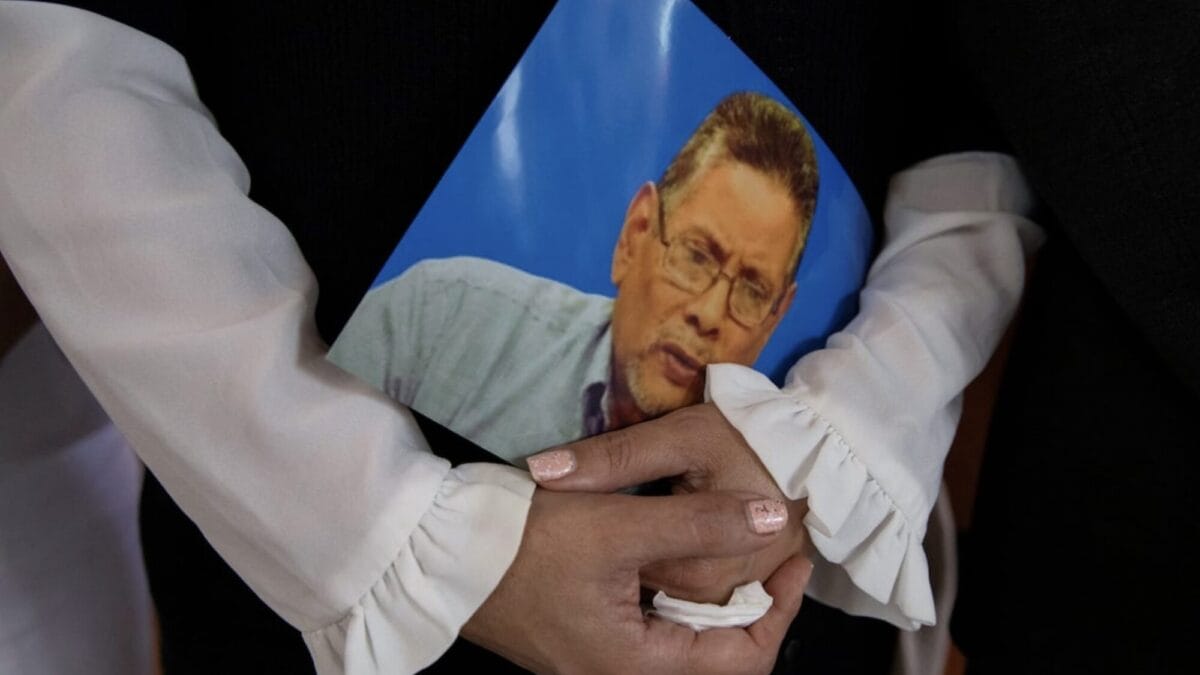
A little over a month ago, the hitmen of the Daniel Ortega and Rosario Murillo dictatorship murdered Roberto Samcam, a prominent Nicaraguan opposition leader who had taken refuge in Costa Rica and became a Spanish national, in cold blood in Costa Rica. He never stopped denouncing the crimes of the regime, especially the involvement of the Army and the paramilitary in the internal repression and was one of the first to denounce transnational repression and the operation of espionage cells in the neighboring country.
Samcam’s atrocious murder was not the first attempt by the dictatorship to silence opposition voices and activism. In 2021 and 2024, they attempted to assassinate Joao Maldonado, who miraculously survived two attempts. There are also the unsolved deaths of Jaime Luis Ortega Chavarría in 2024, Erick Antonio Castillo in 2023, Rodolfo Rojas in 2022 and Alberto Olivas Aguilar in 2021.
Opposition members, civil society and human rights organizations have denounced on numerous occasions activities such as surveillance, harassment, threats and physical aggression on the part of the dictatorship’s operators in Costa Rican territory. There are also reports of serious and exceptional punishments, including the banishment, stripping of nationality and de facto statelessness of a large number of Nicaraguans who are in different countries.
Transnational repression is a perverse practice of authoritarian regimes disrespectful of international law, such as Russia, Venezuela and Nicaragua. In the latter case, the Group of Human Rights Experts on Nicaragua (GHREN) warned in the report it issued in February about the seriousness of this type of persecution against Nicaraguan exiles.
The murder of Samcam
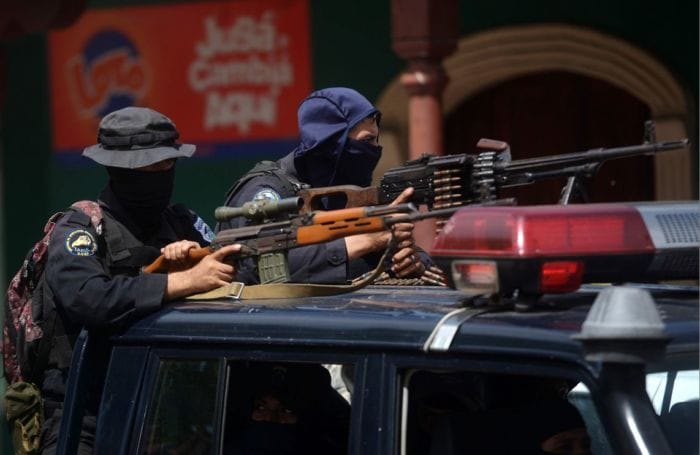
The assassination of Samcam marks a turning point because it removes any doubt about transnational repression and the operation of dictatorship cells abroad, particularly in Costa Rica. It is a fact that the Ortega-Murillo regime wants to sow terror among exiles, silence voices and paralyze actions in favor of democratic change.
The levels of planning, organization and violence they used in all cases, particularly in those of Maldonado and Samcam confirm that they are willing to do anything.
Samcam’s murder was condemned and rejected by numerous international actors. The GHREN expressed its concern for the safety of the Nicaraguan exiles and so did more than thirty former Ibero-American presidents through an IDEA Group communiqué. The Bureau of Western Hemisphere Affairs of the U.S. State Department even offered its collaboration to the Costa Rican authorities to clarify the assassination.
A coalition of more than nineteen human rights organizations also demanded a thorough investigation and considers the assassination as a broader strategy of transnational repression. Other Nicaraguan and international social organizations have also condemned the event. The international press picked it up and reported it widely, and even, due to the seriousness of the case, it gave rise to editorials in several media.
Murder violated sovereignty
The Legislative Assembly of Costa Rica approved a motion to demand the Government to act diligently in the clarification of the murder, but it was not supported by the ruling party, which followed the position of President Rodrigo Chaves, who to date remains silent, despite the statements of officials of the Judicial Investigation Agency (OIJ) and the Costa Rican Prosecutor’s Office that consider the political murder as a line of investigation.
Other Costa Rican actors, including former presidents and former officials of key institutions, have publicly demanded that the president make a statement because they consider that Costa Rica’s sovereignty and security were violated.
From the Nicaraguan Democratic Concertation (CDN), we consider that the murder of Samcam is the irrefutable proof that the Ortega-Murillo dictatorship operates with impunity in Costa Rica. This was a complex transnational crime that takes advantage of the unfavorable security conditions that exist in that country. In addition, it increases the risks and threats to Nicaraguan exiles and opponents and violates the sovereignty of a neighboring country.
For these reasons, the CDN demands an exhaustive investigation to identify and punish the material and intellectual authors of the assassination. We trust that both the Costa Rican and Spanish governments will act promptly and effectively to clear up this crime, bring justice and protect Samcam’s family.
But we also hope that the Costa Rican authorities and the international community will take action to seek justice and that the thousands of Nicaraguan exiles in different countries will have the necessary protection, so that the Ortega-Murillo dictatorship cannot commit crimes of this type again.